
Replace Missing Teeth from the Root Up
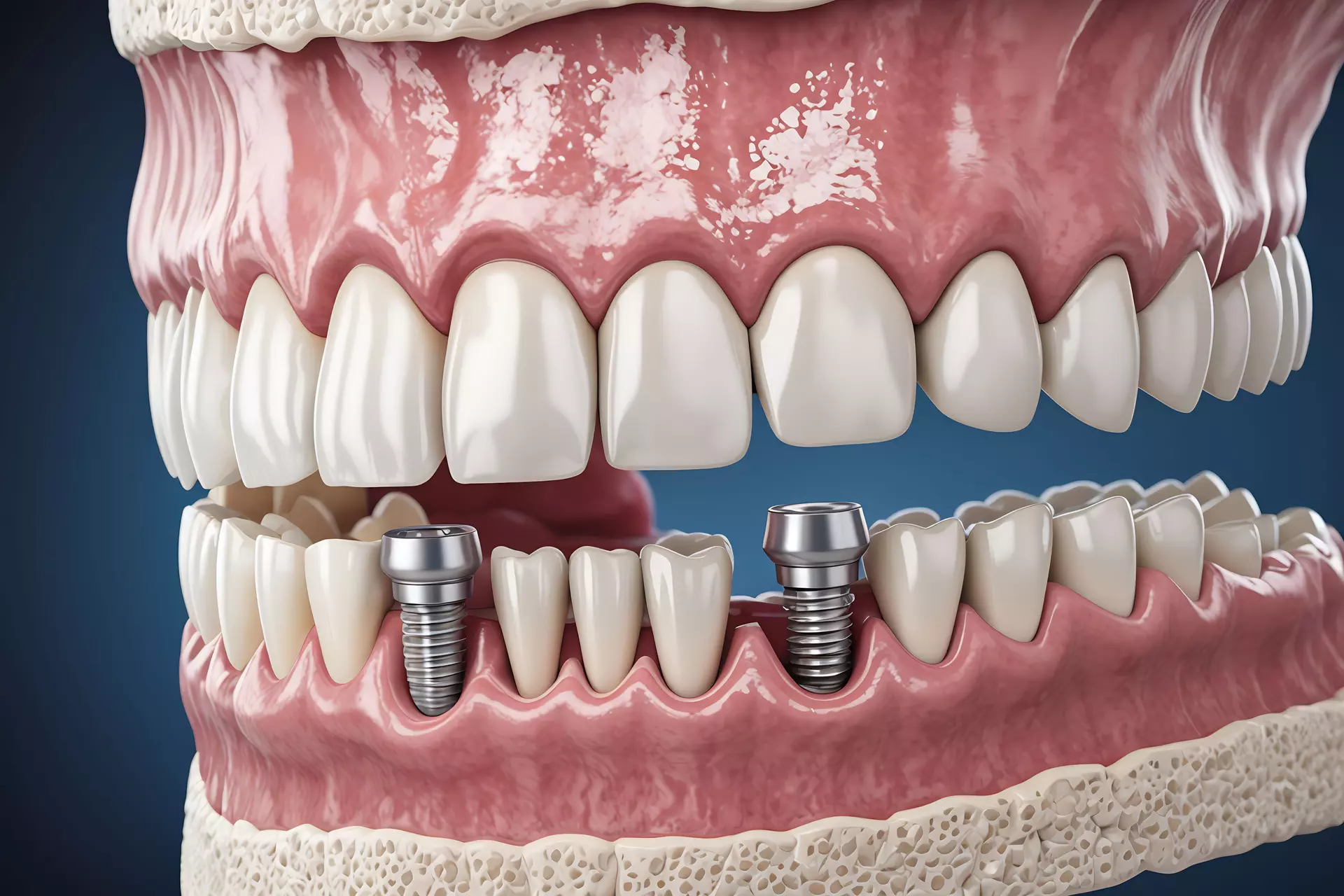
Missing teeth can make it hard to eat, speak and smile with confidence. At Fox River Periodontics in Geneva, IL, we place dental implants that replace the whole tooth, root included. The result is a permanent restoration that looks, feels and works like a natural tooth. It also protects your jawbone and keeps your face looking full. Each implant is planned in 3D and placed by a periodontist trained in implant surgery and complex cases.
Book OnlineWhy Dental Implants Outperform Bridges and Dentures
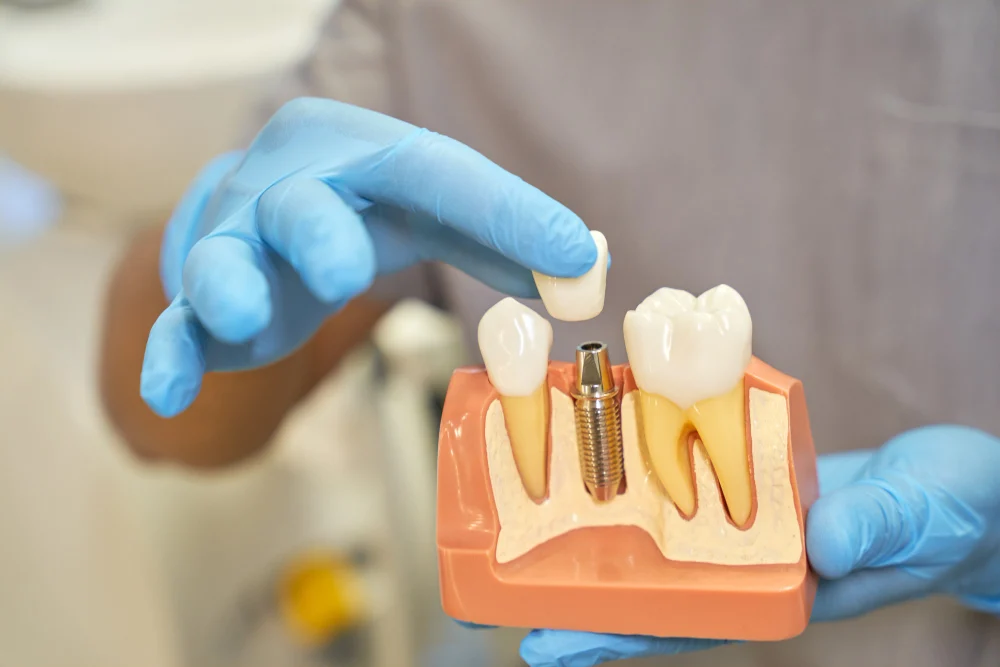
A dental implant is a small titanium post placed in the jawbone where a tooth root used to be. Bridges and dentures rest on top of the gums. An implant is different because the bone bonds directly to it, a process called osseointegration. That bond creates a stable base for a crown, bridge or full-arch restoration that stays put when you eat and talk.
Because an implant replaces the root, it keeps stimulating the jawbone the way a natural tooth does. Without that stimulation, bone shrinks after a tooth is lost. Over time, this shrinking can change the shape of your face and cause the sunken look often seen with long-term denture wear.
Key Benefits of Implant Treatment
- Healthy neighboring teeth don’t need to be filed down, as they would for a traditional bridge
- Helps prevent ongoing bone loss in the jaw
- Restores natural chewing strength, so you can enjoy the foods you love
- Clearer speech, with no slipping or clicking
- A natural look that blends with your smile
- Long-lasting results with proper care
Titanium has been studied for decades and is known to bond well with human bone. That track record makes implants one of the most predictable tooth replacement options in modern dentistry.
Implant Solutions for Every Level of Tooth Loss
Whether you’re missing one tooth or a full arch, there is an implant option that fits your needs:
- Single tooth implants replace one missing tooth with an implant and a custom crown matched to your natural teeth.
- Multiple tooth implants use implant-supported bridges to replace several teeth without relying on nearby healthy teeth.
- Full arch dental implants anchor a complete set of upper or lower teeth for stability far beyond traditional dentures.
Advanced Technology for Precise Implant Placement
Careful planning is the key to a successful implant. Fox River Periodontics uses advanced dental technology to plan and place every implant with care.
Our CBCT scanner takes detailed 3D images of your jaw. These images show the height, width and density of your bone. They also show the exact location of nerves and sinuses. With this information, Dr. Islam Saleh can choose the best position, angle and depth for each implant before surgery begins.
Our in-house 3D printing lets us create custom surgical guides. These guides carry the digital plan into the procedure, so each implant is placed exactly where it was planned.
WaterLase laser technology allows gentle handling of the gum tissue during implant surgery. Many patients have less discomfort after surgery and heal faster than they would with traditional methods.
Are You a Candidate for Dental Implants?
Most healthy adults with missing teeth can have dental implants. Good candidates have healthy gums and enough jawbone to support the implant. Long-term tooth loss, gum disease or a past extraction can leave too little bone. That doesn’t mean implants are off the table. Procedures such as bone regeneration, ridge augmentation and sinus augmentation can rebuild the foundation an implant needs. If a damaged tooth still needs to come out, we can handle the tooth extraction and plan your implant at the same time.
The Dental Implant Process, Step by Step
Every implant journey starts with a thorough consultation. Dr. Saleh reviews your oral health, medical history and goals, and takes 3D scans. From there, he builds a treatment plan for your mouth and explains each step before anything begins.
Implant surgery is usually done in our office under local anesthesia. If you feel nervous, sedation dentistry is available to help you stay relaxed. During the procedure, a small opening is made in the jawbone and the implant is placed according to your digital plan.
Phases of Implant Treatment
- Consultation, 3D imaging and treatment planning
- Preparatory procedures, such as bone grafting, when needed
- Guided implant placement surgery
- Healing while the bone bonds to the implant
- Placement and adjustment of your final restoration
Treatment usually takes three to six months from start to finish. The timeline depends on whether you need grafting first and how quickly your body heals.
Osseointegration and Your Healing Timeline
Osseointegration is the process of your jawbone growing around the implant and bonding to it. It usually takes three to four months, though bone quality and overall health can shorten or lengthen this period. During this time, the implant needs protection from heavy pressure so the bond can form properly.
Tips for Smooth Healing
- Follow your pain management instructions as directed
- Keep the implant area clean with gentle, thorough oral hygiene
- Avoid smoking and tobacco, which can interfere with healing
- Eat soft foods and avoid heavy chewing on the implant side
- Keep all follow-up visits so we can check your progress
Once the bond is complete, the implant can handle the normal forces of chewing. Your custom restoration can then be attached.
Custom Restorations That Match Your Smile
After the implant has healed, we take precise impressions. Skilled dental technicians then craft restorations that match the color, shape and size of your natural teeth. Depending on your needs, the implant may support a single crown, a bridge or a full-arch restoration. Visit our smile gallery to see the kinds of results our patients enjoy.
Caring for Your Implants for the Long Term
With good care, dental implants can last for decades. The biggest risk to an implant is peri-implantitis, an infection of the gum and bone around it. It is caused by plaque buildup, much like gum disease around natural teeth. Brushing and flossing around your implant every day, along with regular professional cleanings, helps keep that tissue healthy. If your gums have receded around an implant or tooth, soft tissue grafting can restore protection and appearance.
Most patients find that caring for an implant quickly becomes routine. Many say their implant feels completely natural when they eat and speak.
Why Choose Fox River Periodontics for Your Implants
Implant surgery is at the heart of periodontics. Dr. Islam Saleh has specialized training in implant placement and in managing complex cases, including those that need bone or tissue grafting first. Patients from Geneva, St. Charles, Batavia and across the Fox Valley get expert surgical care, 3D-guided planning and a team focused on comfort at every step.
To help with cost, our team will review your options. You can learn more about our financial information and our insurance and financial policy. You can also explore our full range of periodontal and implant services.
Dental Implant FAQs
How long do dental implants last?
With good daily oral hygiene and regular professional maintenance, the implant itself can last for decades and often a lifetime. The crown or restoration on top may eventually need replacement because of normal wear.
Does getting a dental implant hurt?
Implant surgery is done under local anesthesia, so you should not feel pain during the procedure. Sedation is available if you feel anxious. Most patients describe mild soreness for a few days afterward, which over-the-counter pain relievers usually manage well.
How long does the dental implant process take?
Most implant treatment takes three to six months from consultation to final restoration. The bone usually needs three to four months to bond with the implant. If bone grafting is needed first, the timeline may be longer.
What if I don’t have enough jawbone for an implant?
Bone loss is common after missing teeth or gum disease. Procedures such as bone regeneration, ridge augmentation and sinus augmentation can rebuild the bone needed to support an implant.
Can I get an implant right after a tooth extraction?
In some cases, an implant can be placed at the same visit as an extraction. In others, the site needs time to heal or a bone graft first. Your 3D scan and exam will show which approach is best for you.
How do I care for my dental implants?
Brush twice a day, clean around the implant daily with floss or an interdental brush, and keep up with regular professional cleanings. Avoiding tobacco also helps protect the gum and bone around your implant.
Are dental implants covered by insurance?
Coverage varies by plan. Some dental plans cover part of the implant, crown or related procedures. Our team can help review your benefits and explain the payment options available to you.
Ready for a Permanent Smile You Can Trust?
Stop working around missing teeth. Schedule an implant consultation with Fox River Periodontics to get a 3D evaluation and a clear, personalized plan for restoring your smile. Call (630) 232-7400 or request your visit online.